
Granules in the gutters and downspouts
Piles of dark grit at the downspout outlet mean the shingle surface is being knocked loose, which is often the first measurable sign of hail bruising.
Serving the Denver metro area and communities across Colorado's Front Range and mountain towns.
After a Colorado hail or wind storm, the first useful step is a documented inspection, not a repair quote. Photograph what you can see from the ground, keep your own record of the storm date, and have the roof inspected before you file so the claim reflects what actually happened.
If water is coming in right now, call (303) 738-1032 and say so. Active leaks get temporary protection ahead of the inspection queue.
Piles of dark grit at the downspout outlet mean the shingle surface is being knocked loose, which is often the first measurable sign of hail bruising.
Hail impact can fracture the mat under an asphalt shingle without breaking the surface. It feels soft, like a bruise on fruit, and it fails later.
Because soft metal shows impacts clearly, gutters, vent caps and valley metal are the easiest way to confirm hail size and direction.
Wind damage usually shows at ridges, rakes and hips, where a lifted tab breaks the seal strip even if the shingle stays in place.
A ceiling stain or damp decking in the attic means water is already getting past the roof, and that clock does not stop while a claim is processed.
Tile and shake break rather than bruise, so damage is visible from the ground with binoculars, usually on the storm-facing slope.
Isolated wind damage on a young roof is usually a repair: reset and reseal the affected area and move on. Widespread hail bruising is different, because the damage is spread across every slope even where the surface still looks intact, and patching it leaves the failure in place.
The deciding factors are the age of the roof, how many impacts per test square the inspection finds, whether the deck and flashing are still sound, and whether matching material is still made. We will show you the count and the photographs rather than asking you to take our word for it.
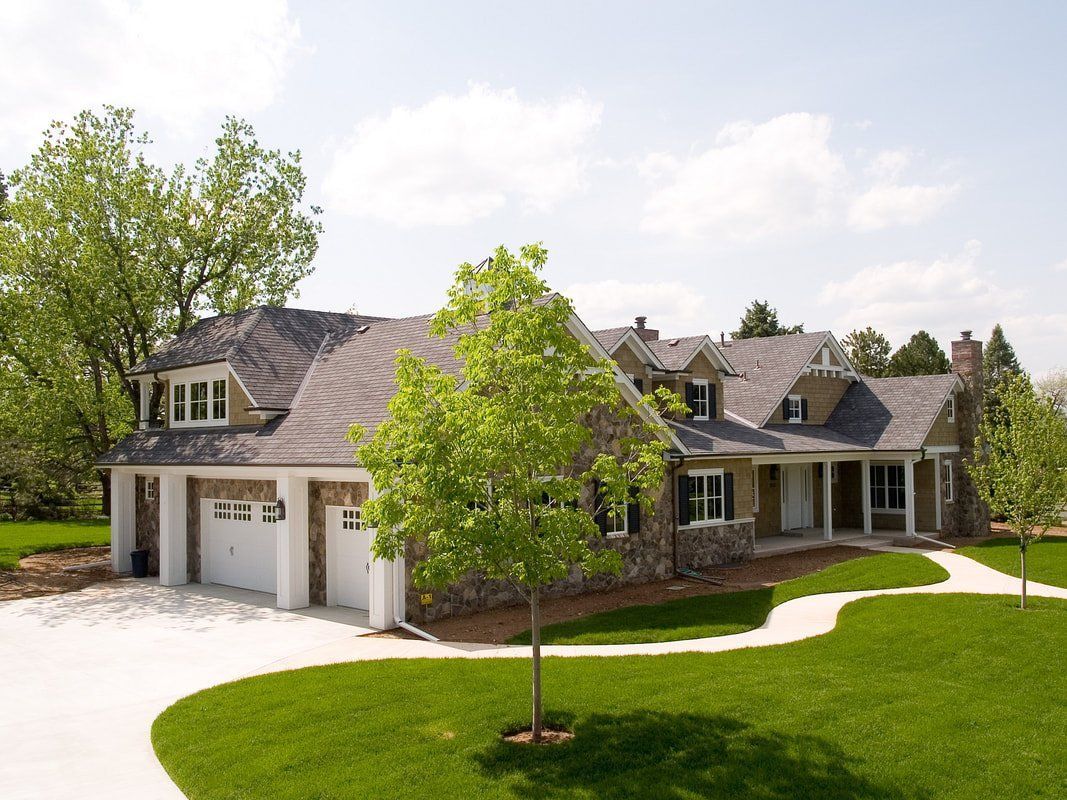
If you are replacing a roof anyway, the storm is an argument for a more impact-resistant system rather than the same product again.
Architectural asphalt shingles are the most common Colorado roof: affordable, quick to install, and available in impact-resistant classes that hold up to Front Range hail.
Typical life: 20 to 30 years, longer with Class 4 impact-rated shingles
Standing seam and metal panel roofs shed snow, resist hail bruising, and last decades longer than shingles, which makes them a strong fit for Colorado's freeze-thaw cycles.
Typical life: 40 to 70 years
Concrete tile gives you tile durability and hail performance at a lower cost than clay, in profiles that copy shake, slate, or barrel tile.
Typical life: 40 to 75 years
Tell us what the roof is doing and we will tell you honestly whether it needs a repair, a replacement, or nothing at all yet.